
Optical Oceanography

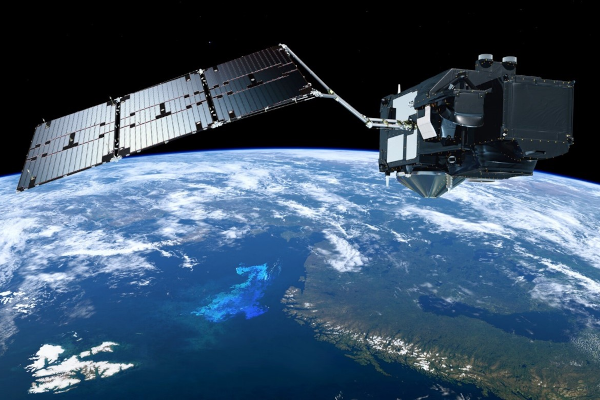
Sentinel-2 satellite image of the German North Sea coast (Source: ESA)
Phytoplankton in the ocean provide about half of global primary production and form the basis of marine food webs. In addition, many inland waters, coastal regions and marginal seas are particularly productive and of fundamental importance for the aquatic carbon cycle. By means of satellite remote sensing, global water areas can be continuously observed. From the color of the water, conclusions can be drawn about the water constituents in the upper mixing layer: phytoplankton, suspended solids and dissolved matter. Satellite data enable the analysis of large-scale mixing, short-term extreme events such as storms, medium-term events such as algal blooms, as well as long-term time series and climate trends.
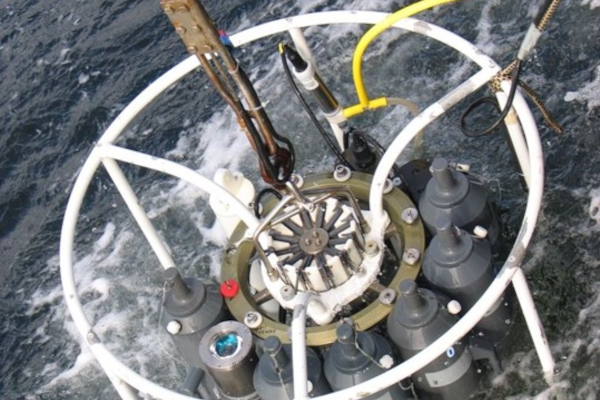
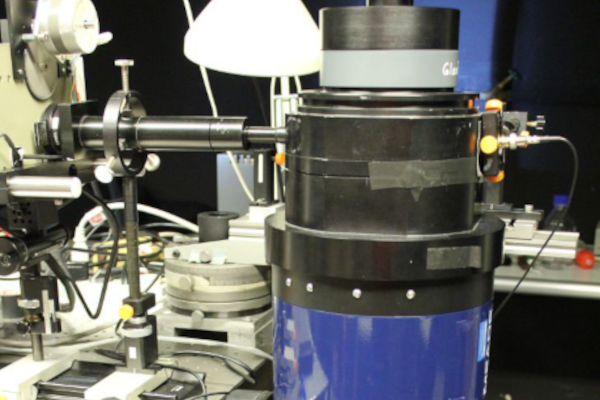
The Department of Optical Oceanography develops methods for the determination of water constituents from satellite data with a focus on optically complex waters. The basis for this is a precise knowledge of the absorption and scattering properties of the substances in water and the atmosphere as well as an understanding of solar radiative transport through the media. In process studies, we investigate different phytoplankton species and their function in the ecosystem. Another research focus is on the quantification of the carbon content in water bodies and their seasonal dynamics.
Our Research
Contact
